
Author: Godwin Samuel – Travel Publisher, Nigerian Traveler and Founder of GreenLink.com.ng
Category: Travel Resources
Published Date: October 10, 2026
Last Updated: October 10, 2026
Introduction
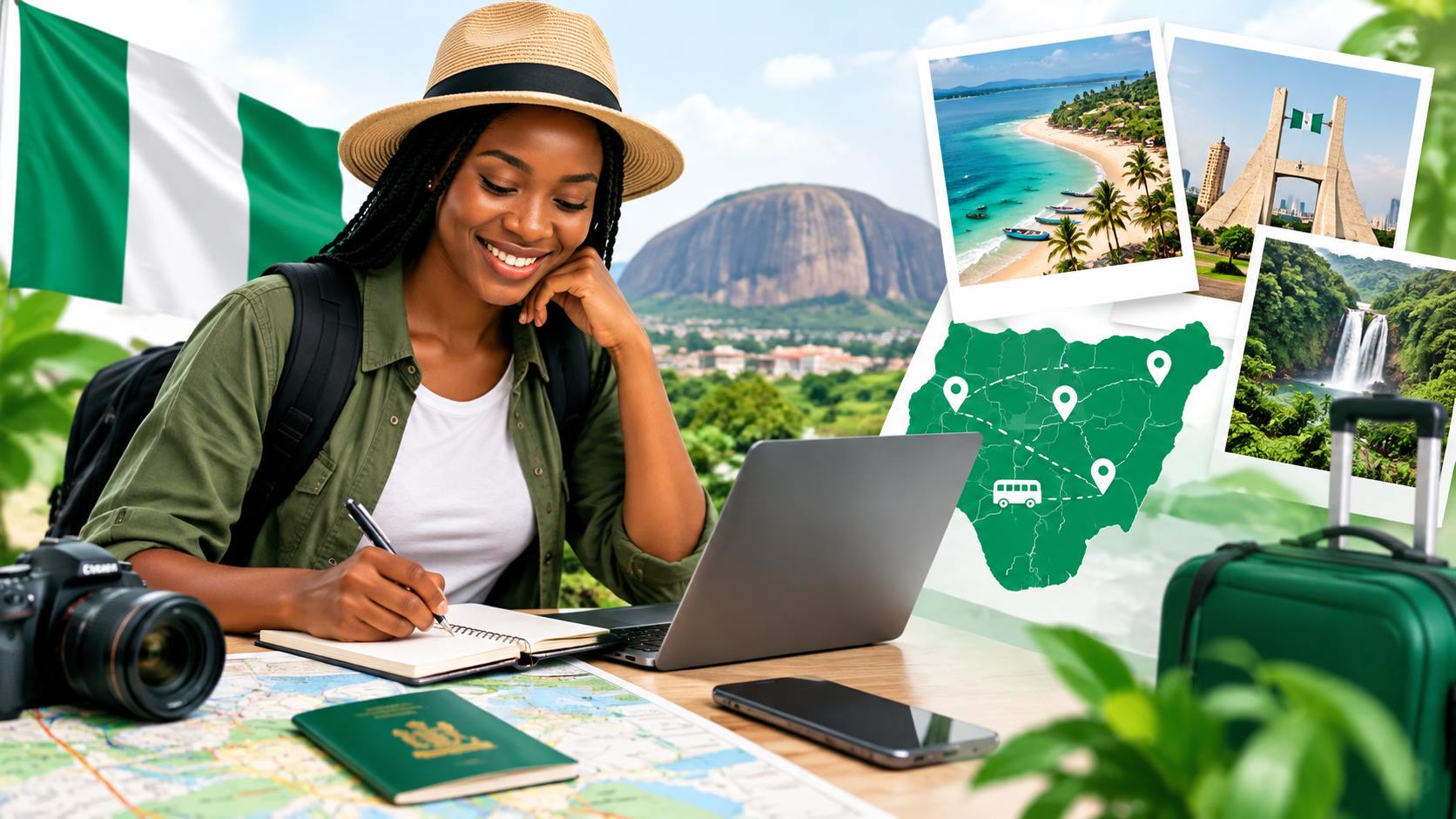
Packing for a trip within Nigeria is not just about choosing clothes and putting them in a bag. You also need to think about how you will travel, how long the journey may take, where you will stay, how you will communicate and what you might need if your plans change.
READ: Hotel Parking in Nigeria: What Travelers Should Consider Before Booking
My approach to travel preparation has developed through travelling to different parts of Nigeria, often by road. I first became interested in travelling at 16, when I travelled with my mother, and began travelling independently at 18. My first major solo trip was from Bayelsa State to Imo State for an event. That experience introduced me to the practical realities of travelling to a place where I was less familiar with the surroundings, language, food and accommodation options.
Over time, I developed habits that help me prepare. I often begin planning about a week ahead, research my destination and route, and consider how I will manage communication, money, food and unexpected delays. I also try to avoid overnight road travel when possible.
These habits influence what I pack. I do not prepare only for the place I want to visit; I prepare for the journey that will take me there.
In this guide, I will show you what to pack for a trip within Nigeria, how to organise your luggage, what to prioritise for road travel and hotel stays, and which common packing mistakes to avoid.
READ: Hotel Wi-Fi and Mobile Network: What Travelers Should Check Before Booking
Key Takeaways
- Start with your destination, trip duration, activities and transport arrangements.
- Keep identification, booking details, essential medication, phone and payment options accessible.
- Pack clothing for the weather and activities rather than for every situation you can imagine.
- Prepare your phone, charger and power bank before departure.
- For longer road journeys, consider suitable snacks, drinking water and possible delays.
- Use a small essentials bag alongside your main luggage.
- Confirm hotel amenities and transport baggage rules instead of making assumptions.
- Keep emergency funds and important documents secure.
- Use a checklist, but remove items that do not apply to your trip.
Table of Contents
- How to decide what to pack
- My approach to preparing for a trip within Nigeria
- Essential travel documents
- Money and payment essentials
- Clothing and footwear
- Toiletries and personal-care items
- Phone, internet and electronic accessories
- Food, water and road-trip essentials
- Medication and personal health items
- Security and personal safety essentials
- How to organise your luggage
- What to pack for different types of trips
- A practical packing checklist
- Common packing mistakes
- Frequently asked questions
1. How to Decide What to Pack
Before choosing individual items, answer five questions.
Where am I going? Your destination may influence your clothing, footwear, toiletries and activity-specific equipment. Check the expected weather and the nature of your plans.
How long will I stay? A weekend visit usually requires fewer clothes than a two-week trip. Laundry access can also affect how much you need to carry.
How will I travel? A road journey may involve carrying your bag between vehicles or waiting during delays. A flight requires you to check the airline’s baggage allowance and restrictions.
Where will I stay? A hotel, a family home and a self-catering apartment may provide different facilities. Confirm important amenities before deciding what to leave behind.
What must I have access to throughout the journey? Think about identification, money, your phone, medication, booking information and any item you cannot easily replace.
I use these questions as a starting point because a useful packing list should reflect the actual trip, not simply contain every item another traveller might recommend.
Three categories for your packing list
I find it helpful to divide items into three groups:
| Category | Examples | How to decide |
|---|---|---|
| Essentials | Identification, required documents, money, phone, essential medication | Pack these first |
| Trip-specific items | Business clothing, outdoor footwear, laptop, activity equipment | Pack according to your plans |
| Optional comforts | Travel pillow, extra entertainment, additional accessories | Take them only if useful and practical |
This simple approach prevents your luggage from becoming unnecessarily heavy. It also helps you identify important items before spending time packing less essential belongings.
2. My Approach to Preparing for a Trip Within Nigeria
When I prepare for a trip, I try to think through the journey before deciding what goes into my bag.
I often start about a week ahead. I research the destination and route, consider my accommodation arrangements and think about the practical things I may need while travelling. I also consider who I know at the destination and how I will communicate if plans change.
Communication is particularly important in my preparation. I have travelled with two phones and three SIMs. That is my personal arrangement, not a requirement for every traveller. Depending on your journey, one well-prepared phone and a reliable backup power source may be enough.
I also plan how to access money. Rather than depending on a single payment option, I make arrangements for funds to be accessible through different accounts. I still consider how much cash I may need for small expenses.
Food is another consideration, particularly for road travel. If a journey takes longer than expected, suitable snacks and drinking water may be convenient. I also try to avoid overnight road travel when possible, although the appropriate decision depends on the journey, available transport and current conditions.
These habits do not eliminate every travel problem. They simply help me think ahead.
What this means for your own packing
You do not need to copy my exact routine. Instead, use the same principle: identify what could reasonably interrupt your plans and prepare for the things you can control.
For example, if your phone is essential for contacting your accommodation, charge it before departure and keep your charger accessible. If you are arriving late, confirm your transport from the arrival point to your accommodation. If you have an important meeting, keep your required documents and work equipment somewhere you can reach easily.
The lesson is to pack for your real itinerary, not for every possible emergency.
3. Essential Travel Documents
Prepare your documents before packing clothes. If you forget a required document, an extra outfit will not solve the problem.
READ: Hotel Cleanliness: What to Look for When Choosing Accommodation
Depending on your journey, you may need:
- A valid means of identification accepted for your transport or activity.
- Transport tickets, booking references or itinerary details.
- Hotel reservation confirmation and contact information.
- Work documents, event registration details or meeting information.
- Relevant permits or other required documents, where applicable.
- Emergency contact details.
- Secure digital copies of important information.
If you are flying within Nigeria, check the identification requirements, baggage rules and other instructions provided by your airline. Requirements can differ by carrier and may change, so do not rely entirely on advice from an old travel post.
For a hotel stay, save your booking confirmation, reservation reference, address and contact number. If you booked online, keep the details accessible offline in case your mobile internet connection is unavailable.
How I would organise important documents
Keep the documents you need during the journey in a secure, accessible place rather than at the bottom of your main suitcase.
Where appropriate, store a digital backup separately from the original. Protect digital copies with suitable device security, and avoid sharing sensitive documents unnecessarily.
A digital copy is a backup, not a substitute for an original document when the original is required.
4. Money and Payment Essentials
Your travel budget should cover more than your transport ticket and accommodation. Consider local transport, meals, planned activities, communication and unexpected expenses.
Before leaving, prepare:
- A reasonable amount of cash for expected cash expenses.
- A bank card, if you use one.
- Access to your banking applications.
- Funds for local transport and meals.
- An emergency reserve.
- Your bank’s official contact details in case you need assistance.
My approach is to avoid depending on just one way of accessing money. If a payment fails or one option is unavailable, having an alternative may help me manage the situation.
This does not mean carrying large amounts of cash. The aim is to maintain access to reasonable funds without creating unnecessary risk.
READ: Questions to Ask a Hotel Before Making a Reservation
How much cash should you carry?
There is no single amount suitable for every trip within Nigeria. Your needs depend on your destination, transport arrangements, trip duration and planned activities.
Estimate your likely cash expenses, then decide how much to carry. Keep your emergency reserve separate from money intended for routine purchases where practical.
Before leaving, confirm that your banking applications work and that you can securely access your accounts. Never share your PINs or passwords with strangers.
5. Clothing and Footwear
Clothing should match your destination, planned activities and expected weather.
For a short trip, you may be able to reuse suitable clothing rather than packing a new outfit for every occasion. For a longer stay, consider whether laundry will be available.
Clothing checklist
- Everyday shirts, tops or other suitable clothing.
- Trousers, skirts, shorts or other preferred bottoms.
- Underwear and socks.
- Sleepwear.
- Comfortable walking shoes.
- Sandals or slippers.
- A light jacket or other layer if needed.
- Formal or business clothing when required.
- Clothing suitable for planned religious, cultural or outdoor activities.
- A bag for separating used clothes.
Choose clothing for the actual destination
Do not assume that the weather will be identical across Nigeria. Check the forecast for your destination and travel dates, especially if you will be outdoors.
If rain is possible, consider a compact umbrella or lightweight raincoat. If you expect to walk frequently, choose comfortable footwear. For a business trip, make sure your clothing suits the meetings or events you will attend.
My practical advice is to pack outfits you know you can wear comfortably. Several pairs of shoes or many extra clothes may add weight without adding much value to your trip.
6. Toiletries and Personal-Care Items
Pack the products you need for your personal routine, particularly items you prefer to use yourself or may not easily replace.
READ: How to Read Hotel Reviews Without Relying on Them Alone
Toiletries checklist
- Toothbrush and toothpaste.
- Bathing soap or body wash.
- Shampoo and conditioner, if needed.
- Deodorant.
- Comb or hairbrush.
- Personal hair-care products.
- Moisturiser or lip balm, if used.
- Sunscreen for suitable outdoor exposure.
- Sanitary products and other personal-care essentials.
- Tissue paper.
- Hand sanitiser.
- A towel, if required.
- Sealable bags to contain liquids or prevent leaks.
Keep liquid containers closed securely and separate from clothing. If you are flying, follow the airline and airport rules for liquids, aerosols and other restricted items.
What if you are staying in a hotel?
Do not assume every hotel provides the same toiletries or amenities. Check with the property if a particular item is important to you.
You can also confirm whether towels, Wi-Fi, air conditioning, laundry services and other facilities are available if your plans depend on them. Availability should be confirmed directly with the hotel rather than inferred from its name or price.
For GreenLink readers, this is one of the most useful links between packing and accommodation research: the better you understand your stay, the easier it becomes to decide what you actually need to bring.
7. Phone, Internet and Electronic Accessories
A phone can be essential for communication, booking details, maps and contacting your accommodation. If you rely on it throughout your journey, battery preparation deserves attention.
Electronics checklist
- Mobile phone.
- Phone charger and cable.
- Charged power bank.
- Laptop and charger, if needed.
- Earphones or headphones, if useful.
- Camera and accessories, if required.
- Suitable adapters for your devices.
- An additional charging cable if your journey depends heavily on your phone.
I have travelled with multiple phones and SIMs, but this is a personal preference rather than a universal recommendation. You should choose a communication setup that suits your budget and journey.
READ: Hotel Photos vs Reality: What Travelers Should Check Before Booking
Prepare your phone before departure
- Charge your phone and power bank.
- Save your accommodation address and contact details.
- Save tickets and booking confirmations.
- Download maps or other information for offline use where possible.
- Confirm your mobile line is active.
- Make sure you can access important accounts securely.
- Back up important information when appropriate.
If you are visiting an unfamiliar area, check available network coverage information if connectivity is important to your plans. A second SIM may provide another option, but it does not guarantee service in every location.
8. Food, Water and Road-Trip Essentials
Road travel may require a different packing approach from flying or taking a short local journey. A long journey can involve traffic, stops or other delays, so it is useful to consider what you may need while in transit.
Useful items for a road trip
- Drinking water.
- Suitable snacks.
- Tissues and hand sanitiser.
- A small bag for rubbish.
- Phone charger and power bank.
- Essential medication.
- A light layer of clothing.
- Emergency contact details.
- A reasonable amount of accessible cash.
- A travel pillow, if useful.
Choose food that can be stored safely during the journey. Perishable food needs appropriate temperature control; do not assume it will remain safe simply because it is packed.
If you are travelling with a transport operator, follow its rules about luggage and permitted items.
Prepare for the journey, not just the arrival
When I plan a road trip, I consider what I might need if the journey takes longer than expected. Communication, food, money and phone battery are part of that preparation.
I also try to avoid making plans that depend on arriving at an exact time when the journey may be affected by traffic or other conditions.
If you are driving yourself, check the vehicle’s condition, fuel, required documents, spare tyre and appropriate emergency equipment before leaving. Follow current road-safety guidance and avoid driving when tired.
Packing supplies cannot guarantee a safe or uninterrupted journey. Check current route conditions and make sensible decisions about transport and timing.
9. Medication and Personal Health Items
Your personal health needs should influence your packing list.
If you regularly take prescribed medication, bring enough for the planned trip and allow for a possible delay. Keep medication in its appropriate packaging and follow its storage instructions.
Depending on your needs, you may also pack:
- Prescribed medication.
- Personal medical supplies.
- A basic first-aid kit.
- Insect repellent where appropriate.
- Sunscreen for outdoor exposure.
- Oral rehydration products where suitable.
- Glasses or contact lenses and their supplies.
- Medical identification or emergency information when necessary.
Check expiry dates and make sure the items are suitable for you. Do not take medication simply because another traveller recommends it. If you are unsure about what to bring, consult a qualified health professional.
For journeys involving special medical needs, plan according to your circumstances rather than relying on a general packing list.
READ: How to Read Hotel Reviews Without Relying on Them Alone
10. Security and Personal Safety Essentials
Your luggage should help you stay organised without encouraging you to carry unnecessary valuables.
Consider:
- A secure bag you can keep under your control.
- A small luggage lock where appropriate.
- Emergency contact information.
- A torch or flashlight if needed.
- A discreet way to carry cash and identification.
- A backup of essential booking details.
- A power bank for your phone.
Keep your phone, money and documents secure in crowded places. Avoid leaving valuables unattended in vehicles or public areas.
Before travelling, share your itinerary with someone you trust when appropriate. If you expect to arrive late, confirm how you will get from the station, airport or drop-off point to your accommodation.
Research your route and arrival arrangements in advance. Conditions can change, so use current, relevant information rather than relying only on old posts or general assumptions about a destination.
No packing item guarantees personal safety. Awareness, transport arrangements, current information and sound decisions remain important.
11. How to Organise Your Luggage: The Two-Bag Method
One practical way to simplify packing is to separate what you may need during the journey from what you expect to use after arriving.
This method is especially useful if you will move between vehicles, use public transport or carry your luggage over a distance.
Bag 1: Your essentials bag
Use a small backpack or secure day bag for items you may need access to during the journey.
Consider keeping these items inside:
- Identification and essential documents.
- Phone and charger.
- Power bank.
- Money and payment options.
- Essential medication.
- Accommodation contact details.
- Water and suitable snacks, where appropriate.
- A small number of personal-care items.
Keep the bag secure and within your control. Do not put every valuable item into an unattended or inaccessible bag.
READ: Hotel Photos vs Reality: What Travelers Should Check Before Booking
Bag 2: Your main luggage
Use your main bag for items you are less likely to need while travelling:
- Most of your clothing.
- Extra footwear.
- Toiletries that you do not need immediately.
- Work equipment that can safely remain packed until arrival.
- Activity-specific items.
- Other personal belongings.
This division is a practical suggestion, not a rule. If your transport operator requires a different arrangement, follow its instructions.
A quick example
Imagine travelling from Bayelsa to Lagos for a three-day event.
You might keep your identification, phone, charger, power bank, cash, booking details and essential medication in your backpack. Your main luggage could hold clothing, toiletries, slippers and any work or event items you do not need while in transit.
If your main bag becomes inaccessible during a stop, you would still have the most important items with you. This does not remove every travel risk, but it reduces the number of essential items you depend on your main suitcase to access.
12. What to Pack for Different Types of Trips
Use the table below as a starting point and adapt it to your actual plans.
| Type of trip | Items to prioritise | Additional consideration |
|---|---|---|
| Weekend getaway | Two or three suitable outfits, toiletries, charger and booking details | Keep luggage compact |
| Business trip | Professional clothing, work documents, laptop and charger | Check meeting requirements |
| Family visit | Clothing, personal-care items, gifts if desired and medication | Consider children’s needs |
| Road trip | Water, suitable snacks, power bank, cash and journey details | Allow for possible delays |
| Outdoor trip | Appropriate footwear, weather-ready clothing and activity-specific equipment | Check conditions and equipment requirements |
| Extended stay | Clothing, medication, work essentials and laundry supplies if needed | Check laundry access |
| Domestic flight | Identification, ticket, essential medication and permitted cabin items | Verify current airline baggage rules |
Example: Packing for a three-day trip
Imagine you are travelling to another Nigerian state for three days to attend a programme and visit friends.
A reasonable starting list might include:
- Three daily outfits and one spare outfit.
- Underwear and sleepwear.
- Comfortable shoes and slippers.
- Toiletries.
- Phone, charger and power bank.
- Identification and transport details.
- Accommodation confirmation.
- Cash and another payment option.
- Essential medication.
- An umbrella or raincoat if appropriate for the forecast.
This is an illustrative example, not a universal formula. You may need formal clothing, outdoor equipment, extra medication or fewer outfits depending on the purpose of the trip.
The aim is to prepare for the activities you have planned without filling your luggage with unnecessary items.
13. Your Final Packing Checklist
Use this checklist the day before departure. Tick only the items relevant to your journey.
Documents and money
-
Required identification and travel documents.
-
Transport ticket or booking details.
-
Accommodation confirmation and contact number.
-
Cash and preferred payment options.
-
Emergency reserve.
-
Emergency contact information.
Clothing and personal care
-
Clothing for the expected weather and activities.
-
Underwear and sleepwear.
-
Comfortable footwear.
-
Toiletries and personal-care products.
-
Weather-appropriate layer or rain protection, if needed.
-
Bag for used clothes.
Electronics
-
Phone.
-
Phone charger and cable.
-
Charged power bank.
-
Laptop or other required devices.
-
Offline copies of essential travel details.
-
Active mobile line and secure account access.
Health and journey essentials
-
Required medication.
-
Personal medical supplies.
-
Water and suitable snacks, where appropriate.
-
Tissues and hand sanitiser.
-
Trip-specific equipment.
-
Transport and arrival arrangements confirmed.
Final checks
-
Weather checked for the destination.
-
Luggage meets transport requirements.
-
Accommodation details saved.
-
Route and expected journey time reviewed.
-
Someone appropriate knows your plans.
-
Necessary home arrangements completed.
You do not need every item for every trip. A useful checklist helps you identify what matters; it should not encourage you to carry unnecessary belongings.
READ: What to Do When Your Hotel Experience Is Different From What You Expected
14. Common Packing Mistakes to Avoid
Mistake 1: Packing too many clothes
Extra clothing can make luggage heavier without making the trip more comfortable.
Better approach: Plan outfits around your activities and trip duration. Consider laundry access and whether some items can be reused.
Mistake 2: Forgetting charging accessories
A low phone battery can become inconvenient when you need to contact your hotel, check a booking or arrange transport.
Better approach: Charge your devices before leaving and keep essential charging accessories accessible.
Mistake 3: Depending entirely on electronic payments
A transaction may fail, or your preferred payment option may not be available.
Better approach: Carry a reasonable amount of cash alongside your preferred electronic payment method, while keeping your money secure.
Mistake 4: Assuming every hotel provides the same amenities
Accommodation facilities vary, and you may find that an item you expected is unavailable.
Better approach: Confirm important amenities with the property before departure. Pack personal essentials you cannot do without.
Mistake 5: Preparing only for the destination
You may plan your outfits and activities carefully but forget that you could spend hours travelling or need to change vehicles.
Better approach: Think about what you may need in transit, including communication, food, water, medication and access to your booking details.
Mistake 6: Ignoring the weather
Clothing that works for one destination may be unsuitable for another.
Better approach: Check a current forecast for your destination and travel dates, then adjust your clothing and rain protection.
Mistake 7: Putting every important item in one bag
If your main bag is delayed or inaccessible, you could lose access to several essentials at once.
Better approach: Keep critical documents, medication, phone and payment essentials in a secure bag you can access personally, subject to transport rules.
Mistake 8: Leaving everything until the last minute
Rushing can lead to forgotten documents, uncharged devices and unnecessary purchases.
Better approach: Start preparing a few days ahead. Pack non-essential items early and check essential items before leaving.
Mistake 9: Packing for every possible emergency
Trying to prepare for every imaginable situation can leave you with too much luggage.
Better approach: Prepare for realistic needs based on your route, destination, trip length and personal circumstances. Check whether an item is essential, trip-specific or merely optional.
READ: Nigeria Travel Guide for First-Time Travelers: Practical Tips From My Experience
15. Frequently Asked Questions
1. What should I pack for a trip within Nigeria?
Start with required identification and documents, money, clothing, toiletries, a phone and charger, a power bank, essential medication and your booking details. Add items according to your destination, transport method, trip duration and planned activities.
2. How many clothes should I pack for a three-day trip?
Three daily outfits, underwear, sleepwear and one spare outfit can be a reasonable starting point. Adjust this according to your activities, clothing needs, expected weather and access to laundry.
3. Should I carry cash when travelling within Nigeria?
Carrying a reasonable amount of cash can help with expenses when electronic payments are unavailable. The amount depends on your itinerary and expected spending. Keep it secure and avoid carrying more than you need.
4. Is a power bank necessary for a Nigerian road trip?
A power bank can be useful if you rely on your phone for communication, maps or booking details. Choose a suitable model and follow the transport operator’s rules, especially when flying.
5. Should I pack food and water for a road trip?
For a long journey, drinking water and suitable snacks can be convenient. Choose food that can be stored safely, and do not assume perishable food will remain safe without appropriate temperature control.
6. What documents should I carry when travelling to another state?
Carry identification and any documents required by your transport provider or the purpose of your trip. Confirm current requirements with the relevant operator before departure.
7. What should I pack for a hotel stay in Nigeria?
Pack clothing, toiletries, essential medication, phone charger, identification, booking confirmation and any items you need for comfort or work. Confirm important hotel facilities in advance instead of assuming every property provides the same amenities.
8. How can I pack light without forgetting important items?
Use a checklist, plan your outfits and pack according to your actual activities. Prioritise documents, medication, money, communication essentials and items that may be difficult to replace. Remove duplicate and unnecessary items before departure.
9. What should I pack for an unexpected travel delay?
Keep your phone, charger or power bank, essential documents, required medication, some cash, emergency contacts and suitable water or snacks accessible where appropriate. These supplies may help you manage a delay, although they cannot prevent every disruption.
10. Should I pack differently for a business trip and a holiday?
Yes. A business trip may require professional clothing, work documents and electronic equipment. A holiday may require comfortable walking shoes, outdoor clothing or activity-specific equipment. Both need essentials appropriate to your transport, accommodation and personal needs.
Conclusion: Prepare for the Journey, Not Just the Destination
Packing well does not mean taking everything you own. It means understanding your journey, identifying what you genuinely need and organising those items so that you can reach them when necessary.
Travelling around Nigeria has taught me to think beyond the destination. I consider communication, money, food, accommodation and the possibility that a journey may take longer than planned. I also try to prepare ahead instead of leaving important decisions until the day I travel.
My routine will not be right for every traveller, and your packing list may look different from mine. What matters is that you prepare according to your own circumstances and avoid relying on assumptions about transport, accommodation or the destination.
Before your next trip, confirm your arrangements, check the weather, charge your devices, organise your essential documents and use a packing checklist. A little preparation can help you spend less time worrying about forgotten items and more time focusing on the purpose of your journey.
At GreenLink.com.ng, our goal is to help Nigerian travellers make informed decisions about travel and accommodation. Explore our published hotel guides and travel resources to prepare for your next stay
About the Author
Godwin Samuel – Travel Publisher, Nigerian Traveler and Founder of GreenLink.com.ng
Godwin Samuel is the founder of GreenLink.com.ng, an independent hotel discovery and travel information platform focused on helping Nigerian travellers discover accommodation options that match their needs, preferences and budgets.
His interest in travel began at 16, when he travelled with his mother, and he began travelling independently at 18. His journeys around Nigeria have informed his practical approach to travel preparation, accommodation research and helping readers make better-informed travel decisions.
READ: How to Plan a Trip Within Nigeria: A Step-by-Step Guide
Editorial and Accuracy Note
This guide combines the author’s stated travel background and preparation habits with general packing advice. Examples are illustrative and should be adjusted to individual needs. The article does not claim that a particular item guarantees safety or that past travel experience confirms current route, weather, transport or accommodation conditions.
Transport requirements, baggage restrictions, health recommendations and local conditions can change. Verify current requirements with the relevant airline, transport operator, accommodation provider or official source before travelling. GreenLink does not own or operate the hotels featured on its platform.
Leave a Reply